
CBD vs THC: A Science-Based Guide to Cannabis Cannabinoids
CBD and THC are the two most prominent cannabinoids in cannabis, but they work very differently. This science-backed guide explains what each does, how they interact, and which is right for you.
Two Compounds, Two Very Different Experiences
Cannabis contains over 100 identified cannabinoids, but two dominate the conversation: THC (tetrahydrocannabinol) and CBD (cannabidiol). Both interact with your body's endocannabinoid system, but they produce fundamentally different effects.
Understanding the difference is essential for choosing the right product — whether you want recreational enjoyment, pain relief, anxiety management, or sleep support.
How They Work: The Endocannabinoid System
Your body has an endocannabinoid system (ECS) composed of cannabinoid receptors, endocannabinoids (compounds your body produces naturally), and enzymes. The ECS regulates mood, pain, appetite, immune function, and sleep.
CB1 receptors are concentrated in the brain and central nervous system. CB2 receptors are primarily in the immune system and peripheral tissues.
THC binds directly to CB1 receptors in the brain, producing the intoxicating "high" — euphoria, altered perception, appetite stimulation, and relaxation.
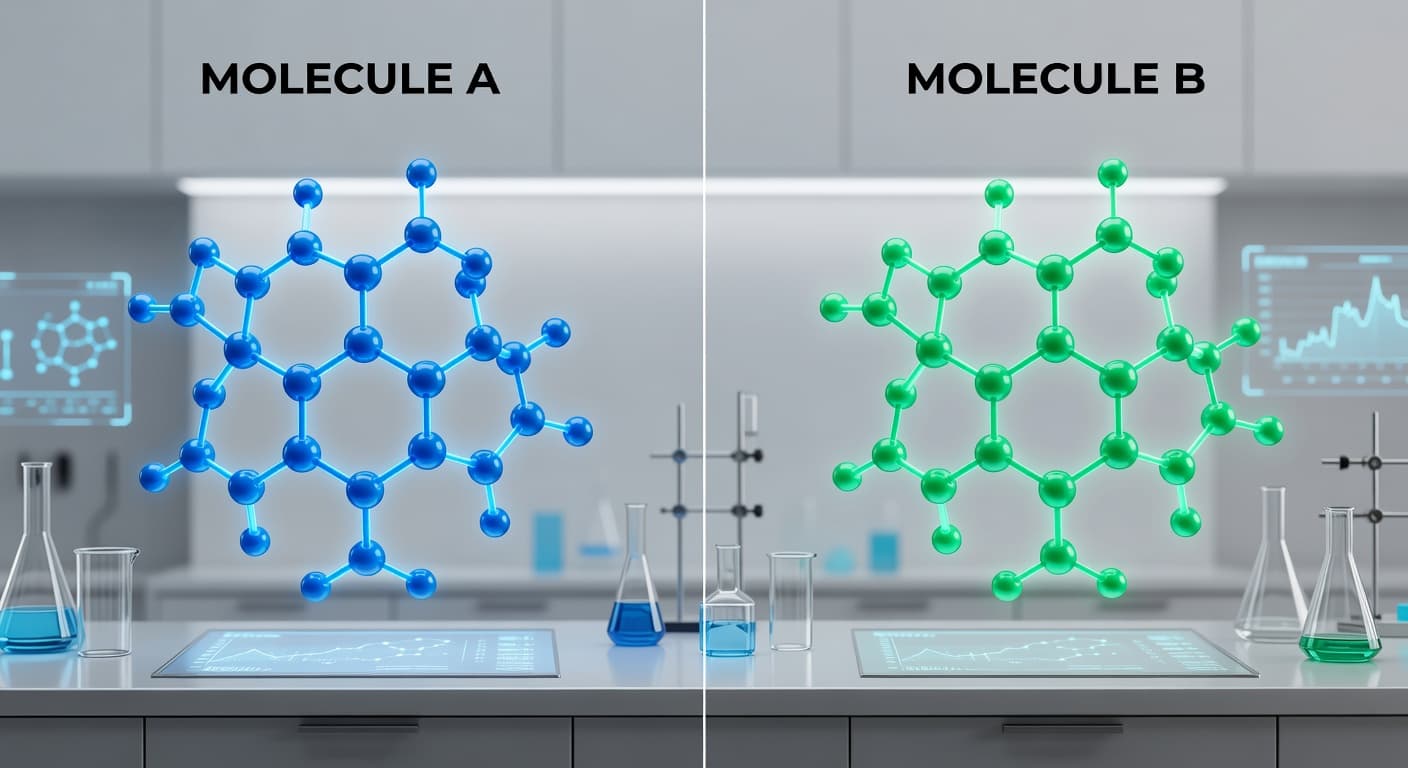
CBD does not bind strongly to either receptor. Instead, it modulates the ECS indirectly — influencing how other compounds (including THC) interact with receptors. This is why CBD does not produce a high but still delivers therapeutic effects.
Side-by-Side Comparison
|--------|-----|-----|
THC: Benefits and Best Uses
Pain Management
THC is one of the most effective natural analgesics available. A 2015 meta-analysis in *JAMA* reviewed 79 clinical trials and found "moderate-quality evidence" supporting cannabinoids for chronic pain treatment. THC works by activating CB1 receptors in pain-processing pathways.
Sleep
THC reduces sleep latency (time to fall asleep) and can increase total sleep time. Indica-dominant strains with high myrcene content are most effective. Read our indica sleep guide for strain recommendations.
Appetite Stimulation
THC stimulates appetite through CB1 receptor activation in the hypothalamus. This is medically valuable for patients experiencing appetite loss due to treatment or chronic conditions.
Euphoria and Recreation
Beyond medical uses, THC produces the pleasurable effects that millions of Canadians enjoy recreationally — mood elevation, enhanced sensory experiences, creativity, and social bonding.
CBD: Benefits and Best Uses
Anxiety and Stress
A 2019 study in *The Permanente Journal* found that 79.2% of patients experienced decreased anxiety within the first month of CBD use. Unlike THC, CBD does not risk increasing anxiety at any dose, making it safer for anxiety-prone individuals.
Inflammation
CBD demonstrates significant anti-inflammatory properties through multiple pathways. Research in *Future Medicinal Chemistry* (2009) highlighted CBD's ability to suppress inflammatory cytokines and modulate immune responses.
Seizure Reduction
CBD is the active ingredient in Epidiolex, the first cannabis-derived medication approved by Health Canada for treatment of severe seizure disorders. This represents the strongest clinical evidence for any cannabinoid.
Daily Wellness
Many users take CBD daily as a supplement for general wellness — similar to how people take vitamins or adaptogens. Low-dose CBD (10-25mg) is commonly used for stress resilience, mild discomfort, and sleep quality.
Browse our CBD collection for oils, tinctures, topicals, and edibles.
The Entourage Effect: Better Together
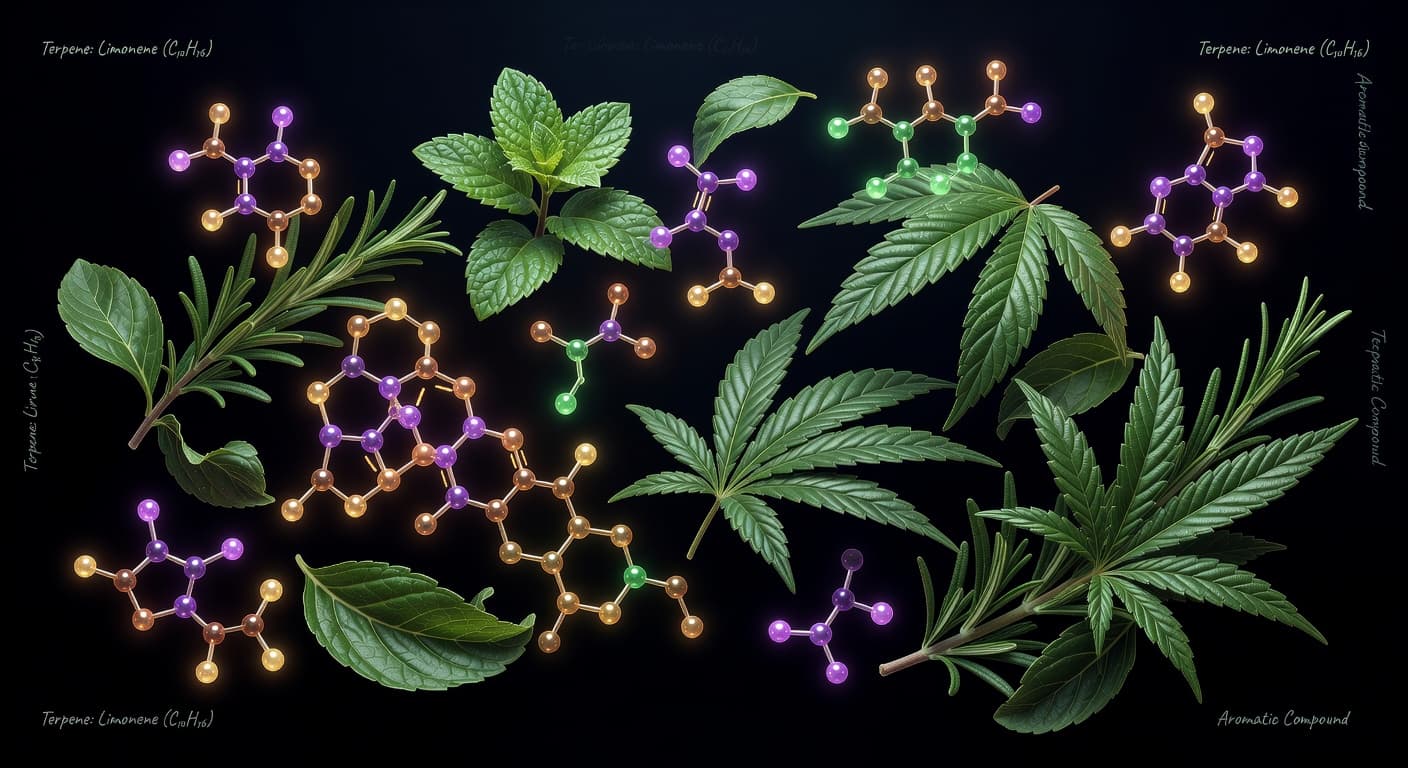
Dr. Ethan Russo's groundbreaking 2011 paper in *British Journal of Pharmacology* established that cannabinoids and terpenes work synergistically. This "entourage effect" means full-spectrum products containing both THC and CBD (along with terpenes and minor cannabinoids) often outperform isolated compounds.
Practical implications:
How to Choose: THC, CBD, or Both?
Choose THC if you want:
Choose CBD if you want:
Choose both (balanced products) if you want:
Product Recommendations
Pure CBD: Full Spectrum CBD Oil 60ml — our most popular wellness product
High THC: Browse our flower collection sorted by potency
Balanced: Look for strains and products listing both THC and CBD percentages on our shop page
Frequently Asked Questions
Q: Can CBD cancel out a THC high?
CBD can moderate THC's effects, particularly reducing anxiety and paranoia. However, it will not completely eliminate a THC high. Taking CBD alongside THC tends to produce a calmer, more controlled experience.
Q: Will full-spectrum CBD oil show up on a drug test?
Possibly. Full-spectrum products contain trace amounts of THC (under 0.3%), which could accumulate with daily use. If drug testing is a concern, choose broad-spectrum or CBD isolate products.
Q: Can I take CBD and THC at the same time?
Yes. Many users combine CBD oil during the day with THC products in the evening. This combination leverages the entourage effect and provides 24-hour cannabinoid support.
Q: Which is safer, CBD or THC?
Both have excellent safety profiles. The World Health Organization's 2018 report confirmed CBD has no abuse potential and is generally well tolerated. THC's main risks are psychological discomfort at high doses and impaired driving. Neither has caused a recorded fatal overdose.